

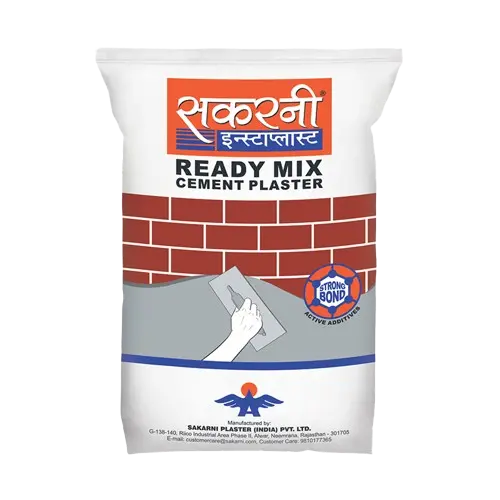


Where Is Ready Mix Cement Plaster Used?
Ready mix cement plaster can serve different purposes depending on its formulation and the manufacturer's recommendations.
Interior Wall Plastering: Used on suitable interior masonry surfaces to create a prepared base for putty, primer, and paint.
Exterior Wall Finishing: Specially specified formulations can be used on exterior walls to provide a plaster layer designed for the relevant exposure conditions.
Residential Construction: Suitable products can be used in houses, apartments, villas, and other residential developments.
Commercial Buildings: Offices, retail spaces, educational buildings, and similar projects can benefit from a standardised plastering material.
Masonry and Concrete Surfaces: Certain formulations are designed for brickwork, blockwork, or concrete substrates, provided the surface is prepared according to the product instructions.
Key Factors to Consider When Selecting Ready Mix Cement Plaster
1. Compatibility with the Wall Surface
Different substrates have different absorption rates, textures, and bonding requirements. A plaster suitable for conventional brickwork may not be appropriate for every concrete block or smooth concrete surface.
Check the product specifications to confirm compatibility with the intended substrate and determine whether a primer, bonding treatment, or other preparation is necessary.
2. Required Plaster Thickness
Wall conditions determine the thickness needed to achieve the desired finish. Uneven masonry may require more levelling than a well-aligned surface.
Always follow the manufacturer's recommended thickness limits. Applying an excessively thick layer in one operation can increase the risk of sagging, shrinkage, and cracking.
3. Workability and Setting Characteristics
Workability affects how easily plaster can be spread, levelled, and finished. The available working time and setting behaviour also influence how much material a team can apply in one session.
Select a formulation that suits the project requirements and site conditions, and avoid using material beyond its specified working period.
4. Strength and Durability Requirements
The required performance depends on the building, the substrate, and the exposure conditions. Exterior walls, for example, may experience greater temperature changes and moisture exposure than protected interior surfaces.
Review the manufacturer's technical data rather than assuming every ready mix plaster offers identical strength or weather resistance.
5. Environmental and Site Conditions
Temperature, humidity, wind, and direct sunlight can affect application and drying. Hot or windy conditions may cause moisture to evaporate too quickly, while unsuitable damp conditions can interfere with finishing.
Plan plastering work around site conditions and follow the recommended precautions for the selected product.
6. Material Consumption and Project Planning
The quantity of plaster required depends on the wall area, application thickness, surface irregularities, and the product's stated coverage.
Estimating material requirements before work begins helps contractors plan deliveries, minimise interruptions, and manage project costs more effectively.
Ready Mix Cement Plaster vs. Conventional Wall Plaster
Parameter | Ready Mix Cement Plaster | Conventional Site-Mixed Plaster |
|---|---|---|
Material Supply | Pre-formulated dry mix | Ingredients procured separately |
Proportioning | Defined during manufacturing | Measured at the construction site |
Preparation | Prepared according to product instructions | Requires on-site batching and mixing |
Ingredient Selection | Based on the manufacturer's formulation | Depends on the materials selected for the mix |
Application Guidance | Product-specific technical instructions | Based on the specified mix design and construction practice |
Material Estimation | Based on product coverage and application thickness | Based on ingredient quantities and mix proportions |
Quality Management | Requires correct storage, mixing, and application | Requires control of ingredients, proportions, and workmanship |
Best Selection Criteria | Formulation, substrate compatibility, and site requirements | Appropriate mix design, material quality, and site control |
Neither option guarantees a defect-free finish by itself. Material selection, surface preparation, workmanship, and curing remain important for both systems.
Common Mistakes to Avoid When Using Ready Mix Cement Plaster
Ignoring Substrate Preparation: Applying plaster over loose material, dust, or unsuitable surfaces can compromise adhesion.
Adding Excess Water: Using more water than specified can alter the material's properties and increase shrinkage-related problems.
Mixing More Material Than Necessary: Preparing excessive quantities can lead to wastage when the plaster reaches the end of its usable working period.
Applying Excessive Thickness: Exceeding the recommended thickness can affect stability, drying, and the finished surface.
Skipping Curing Instructions: Cement-based plaster may require controlled moisture curing. Ignoring the specified procedure can affect performance.
Rushing Decorative Finishing: Applying putty or paint before the plaster is sufficiently dry can cause finishing defects. Follow the recommended drying conditions and coating requirements.
Improper Storage: Exposure to moisture can damage bagged dry plaster before it is used. Keep the material sealed and stored in suitable conditions.
How to Achieve a Quality Finish with Ready Mix Cement Plaster
Inspect the Substrate: Check the wall for loose particles, contamination, cracks, and uneven areas that need attention before plastering.
Prepare the Surface: Clean and condition the substrate according to the manufacturer's instructions. Apply any required bonding treatment where specified.
Prepare the Mix: Measure the recommended quantity of clean water and mix the plaster uniformly using suitable equipment.
Apply the Plaster: Spread the material evenly within the specified thickness and working time. Use suitable tools to achieve the required alignment and finish.
Finish and Protect the Surface: Complete the finishing operation at the appropriate stage and protect the fresh plaster from conditions that could cause rapid drying or damage.
Follow Curing and Drying Requirements: Use the curing method recommended for the product and allow sufficient drying before applying subsequent wall finishes.
Inspect the Completed Work: Check the finished surface for visible cracks, unevenness, loose areas, and other defects before proceeding to decorative treatments.
Final Thoughts
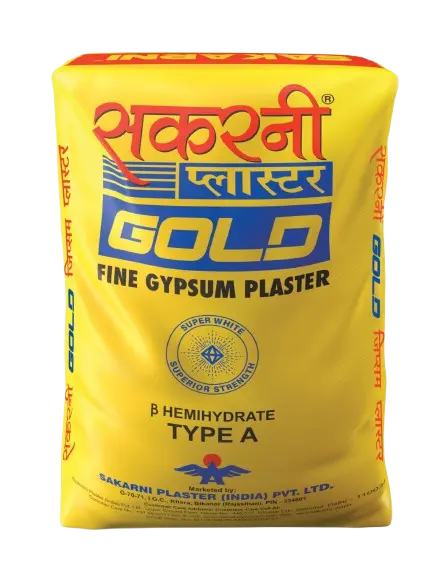
Ready mix cement plaster provides a packaged solution for wall plastering that can simplify material preparation and help standardise construction practices. Its suitability depends on the formulation, the type of wall surface, the required finish, and the conditions in which it will be applied.
For successful results, builders and contractors should evaluate product specifications, calculate material requirements carefully, and follow the recommended preparation, application, and curing procedures.
Selecting the right ready mix cement plaster for the intended application helps establish a reliable foundation for durable wall finishes and well-planned construction work.